

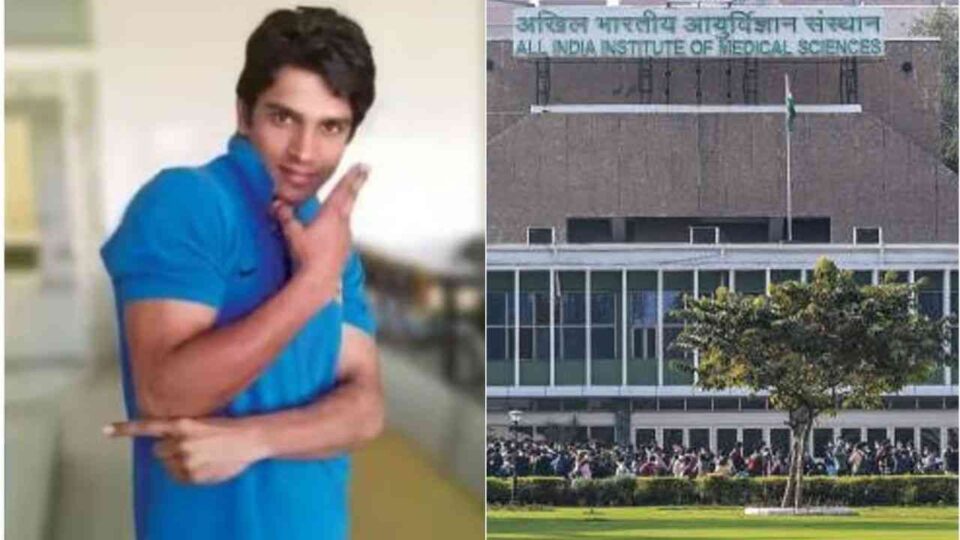
Harish Rana, Granted Passive Euthanasia by Supreme Court, Passes Away at AIIMS
Harish Rana, whose case marked a historic moment in India’s legal and medical landscape, has passed away at the All India Institute of Medical Sciences (AIIMS) in New Delhi after spending over 13 years in a vegetative state. His death comes days after the Supreme Court granted permission for passive euthanasia, allowing the withdrawal of life-sustaining treatment.
Rana, a resident of Ghaziabad, had been in an unresponsive state since 2013 following a severe accident in which he fell from a building, sustaining critical head injuries. The incident left him with irreversible brain damage and complete dependence on medical support for survival. Over the years, his condition showed no meaningful improvement, placing an emotional and financial burden on his family who tirelessly cared for him throughout his long ordeal.
After years of struggle and medical consultations, Rana’s family approached the Supreme Court seeking permission to withdraw life support, arguing that he had no chance of recovery and was living without dignity. In a landmark ruling earlier this month, the apex court allowed passive euthanasia—making Rana one of the first individuals in India to receive such approval under judicial oversight.
The court’s decision was based on detailed medical evaluations conducted by expert panels at AIIMS, which confirmed that Rana was in a permanent vegetative state with no possibility of regaining consciousness. The judgment emphasised the principle of the “right to die with dignity,” reinforcing earlier legal precedents while also highlighting the need for humane end-of-life care. The court noted that continuing life support in such cases merely prolongs suffering without serving any therapeutic purpose.
Following the verdict, Rana was shifted to AIIMS, where a specialised medical team initiated the passive euthanasia protocol. This involved the gradual withdrawal of life-sustaining measures, including clinically assisted nutrition and hydration, while ensuring that he remained free from pain and distress through palliative care. The hospital’s ethics committee was closely involved in overseeing the process to ensure compliance with all legal and medical guidelines.
Doctors closely monitored his condition throughout the process, focusing on comfort rather than prolonging life. The aim, as medical experts explained, was neither to hasten death nor delay it unnecessarily, but to allow a natural and dignified end under carefully supervised conditions. The protocol followed the strict framework laid out by the Supreme Court in its 2018 judgment on passive euthanasia.
Rana passed away peacefully at AIIMS with his family by his side, bringing an end to a long and emotionally taxing journey. His death has not only left his family in mourning but has also sparked widespread discussion across the country about euthanasia, patient rights and ethical medical practices. In a final act of compassion, his family reportedly chose to donate his organs, including corneas and heart valves, potentially helping save or improve other lives.
The case has drawn national attention due to its legal significance. While passive euthanasia has been legally recognised in India since a 2018 Supreme Court judgment, its practical implementation has remained limited. Rana’s case is being seen as a turning point, demonstrating how the law can be applied in real-life situations involving prolonged suffering and irreversible medical conditions. It has also highlighted the importance of having clear protocols in place for families facing such difficult decisions.
Legal experts say the ruling could pave the way for clearer guidelines and more structured procedures for similar cases in the future. It has also reignited debate over the ethical dimensions of end-of-life decisions, including the balance between preserving life and respecting individual dignity. Medical professionals have welcomed the clarity provided by the court, noting that such cases require careful multidisciplinary evaluation.
For Rana’s family, however, the issue was deeply personal. After more than a decade of caregiving, hope and hardship, their decision to seek euthanasia was described as one of the most difficult choices they ever had to make. Family members have spoken about the emotional toll of watching a loved one exist without consciousness for so long, and the relief of finally being able to honor his dignity.
Harish Rana’s story stands as a powerful reminder of the complexities surrounding life, death and dignity. While his passing marks the end of a prolonged ordeal, it also leaves behind an important legacy—one that may shape India’s approach to compassionate care and legal rights at the end of life. His case will likely serve as a reference point for future petitions seeking passive euthanasia, providing both legal clarity and a framework for medical institutions to follow in similar circumstances.
