

Table of Contents
ToggleIndia Struggles to Reach Iran Leadership Amid Escalating Middle East Conflict: S. Jaishankar
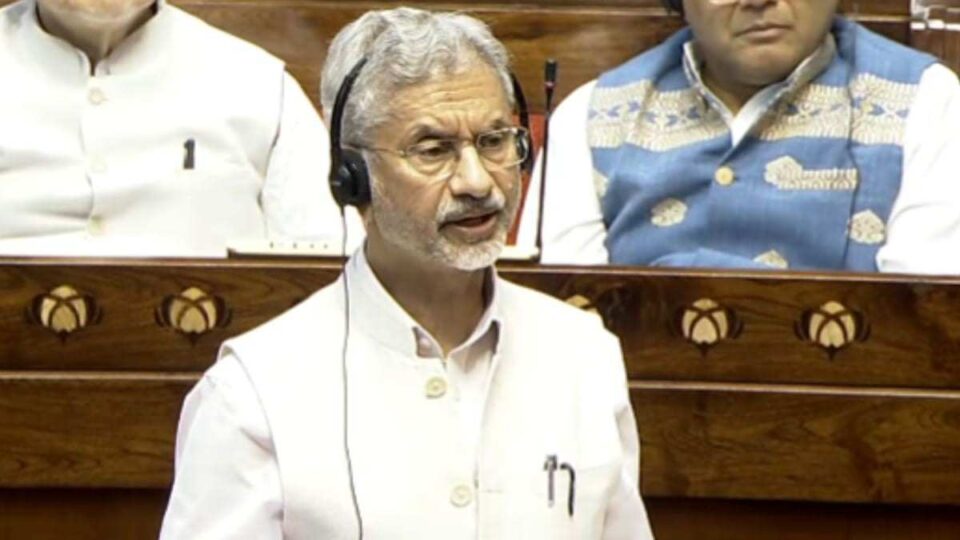
New Delhi, India — India has said that establishing direct communication with Iran’s leadership has become increasingly difficult amid the escalating conflict in the Middle East, reflecting the severity of the crisis. External Affairs Minister S. Jaishankar explained the government’s position in Parliament, emphasising that India continues to support dialogue and diplomatic efforts to ease tensions in the region, despite the growing challenges.
India Calls for Diplomacy Amid War
Speaking during a discussion on the situation in West Asia, Jaishankar said India believes that dialogue and diplomacy remain the best path to de-escalate tensions in the region, reiterating a consistent foreign policy stance. However, he acknowledged that maintaining contact with Iran’s leadership has become challenging because of the rapidly evolving conflict and the disruption it has caused.
The minister stressed that India is closely monitoring developments and is working through available diplomatic channels wherever possible. According to him, the government’s priority is to encourage peaceful solutions while safeguarding India’s strategic interests.
Difficulties in Reaching Iranian Leadership
Jaishankar explained that communication with Iran’s top leadership is currently complicated due to the ongoing hostilities and disruptions in the region, which have made normal diplomatic channels less reliable. While India continues to engage with various stakeholders, the current circumstances have made direct interactions with senior Iranian officials less predictable and more difficult to arrange.
Despite these difficulties, India has not stepped back from its diplomatic outreach. The government is continuing to assess the situation carefully and is maintaining contact with different partners in the region to understand developments and prevent further escalation.
Protecting India’s National Interests
The minister also highlighted that India’s response to the crisis is guided primarily by national interests, with a pragmatic approach to protecting its people and economy. One of the key concerns for New Delhi is energy security, as several major oil-producing countries are located in the Middle East.
Jaishankar noted that Iran remains an important country for India from an energy perspective, given its significant oil and gas reserves. He said the government is closely evaluating global energy markets to ensure that the country continues to receive reliable and affordable supplies of oil and gas during the conflict.
He added that the government is carefully considering factors such as the availability of supplies, price fluctuations and potential risks in the market while making decisions related to energy imports, which could be disrupted by the war.
Safety of Indians a Major Concern
Another major focus for the Indian government is the safety of Indian citizens living in the region, which has become a pressing humanitarian priority. Millions of Indians work across West Asian countries, and any major conflict could put their safety at risk, requiring rapid response.
Jaishankar said India is maintaining contact with governments in the region to ensure that Indian nationals remain safe and that evacuation plans can be implemented if necessary. The government has also been reviewing contingency plans in case the situation worsens.
Officials have been working through Indian embassies and diplomatic missions to track developments and assist Indian citizens who may require help, ensuring they have access to support.
India’s Balanced Diplomatic Approach
India has historically maintained diplomatic relations with both Iran and several Gulf nations, including countries closely aligned with the United States, requiring careful navigation. Because of this, New Delhi is trying to maintain a balanced and cautious approach in the current crisis, avoiding taking sides.
Analysts say India’s position reflects its long-standing foreign policy principle of encouraging peaceful dialogue while avoiding alignment with any one side in regional conflicts, a stance that has served it well.
Jaishankar reiterated that India’s main objective is to prevent further escalation in the Middle East and ensure that the situation does not threaten global stability or economic security.
Global Impact of the Conflict
The ongoing conflict in the Middle East has already begun affecting global energy markets, shipping routes and financial systems, creating ripple effects worldwide. Rising oil prices and disruptions in trade have raised concerns about their impact on economies worldwide, including India, which is a major importer.
Given these challenges, the Indian government is continuing to assess developments closely while coordinating with international partners to minimise the economic and security risks posed by the conflict.
Situation Remains Uncertain
As tensions continue to rise in the region, Jaishankar made it clear that India will continue supporting diplomatic efforts aimed at reducing hostilities. While communication with Iranian leadership may currently be difficult, India remains committed to pursuing dialogue and working with all parties to encourage a peaceful resolution.
For now, New Delhi’s strategy remains focused on protecting its citizens, securing energy supplies, and supporting diplomatic solutions as the Middle East crisis unfolds.
Also Read: Delhi Demolition: House Linked to Uttam Nagar Holi Violence Accused Partially Razed
Conclusion
India’s difficulty in reaching Iran’s leadership underscores the depth of the crisis gripping the Middle East. As war rages and communication falters, New Delhi walks a diplomatic tightrope—balancing energy needs, citizen safety, and its longstanding principles of neutrality and dialogue.
India struggles to connect with Tehran as war rages. Jaishankar’s message: Diplomacy is hard, but peace is still the goal.
