

NEW DELHI, November 3 — Delhi’s festive trading season has become the focus of a dispute over demonstrations and access to commercial districts, with a business association seeking temporary protest curbs and the Supreme Court hearing competing arguments about livelihoods and public assembly.
The Chamber of Trade and Industry has asked Delhi Police to withhold permission for rallies, sit-ins and marches at several major locations until November 11. Separately, the Supreme Court on Tuesday directed traders pursuing a related petition to make the protest organisers parties to the proceedings.
Neither the association’s request nor the arguments presented in court amount to a new general ban on demonstrations. The immediate development is a demand for restrictions and a judicial process in which the other stakeholders must be heard.
Traders seek access during the shopping rush
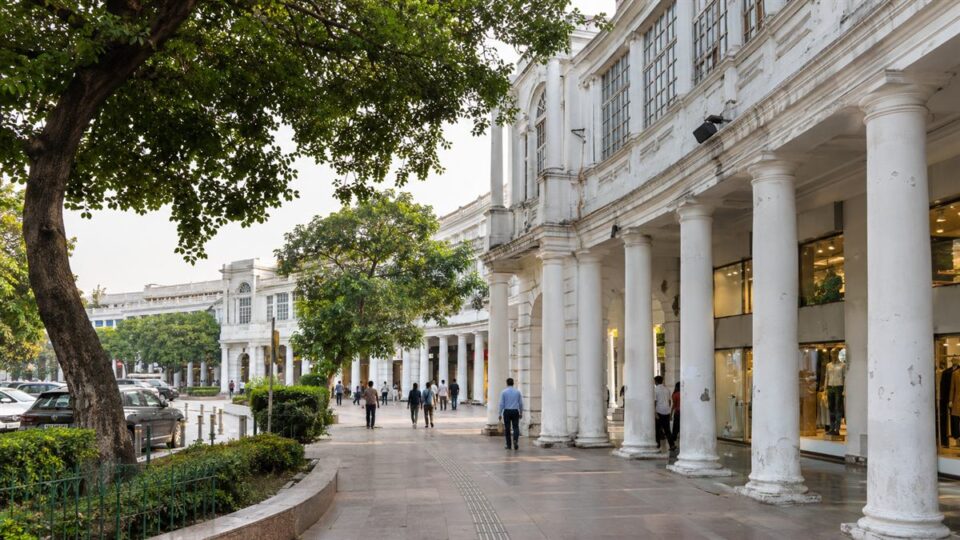
In its November 3 letter, the CTI identified locations including Connaught Place, Jantar Mantar, Ramlila Maidan, India Gate and Rajghat. The organisation said repeated congestion and disruptions had affected customers, goods movement and businesses during an important selling period.
The association also sought alternative demonstration venues and improved arrangements for traffic, parking and commercial deliveries. Its suggestions included Burari, Alipur, Jasola and Yamuna Khadar as possible alternatives.
The CTI has claimed losses of roughly ₹14,000 crore between October 1 and November 1. That figure is the organisation’s estimate, rather than an independently established measure of Delhi’s economic losses. It should not be read as an audited total or a finding by the court.
For readers planning purchases, the request does not itself establish that a market is closed. Shopping arrangements should be based on current access information for the particular destination, rather than an assumption that all central Delhi commercial activity has stopped.
Court hears competing explanations
In the Supreme Court, senior advocate Mukul Rohatgi, appearing for trading interests, argued that demonstrations had hurt festive sales. He sought a longer period without protests than the temporary window requested in the CTI letter.
The court asked Kirana Committee Delhi to add the organisers against whom allegations had been made. Reports of the hearing said the bench did not grant an interim restriction without hearing the organisers.
The hearing also exposed a disagreement about the source of disruption. Senior advocate N. Hariharan argued that police barricading, rather than demonstrations themselves, had affected businesses. Other petitioners raised allegations concerning police action and surveillance. Those allegations remain contested issues in the proceedings.
The distinction matters. A restriction designed around the size or duration of a gathering addresses a different problem from one caused by road closures or the way access is controlled. Establishing what happened at each location is necessary before a remedy can be assessed.
Livelihoods and assembly share the same streets
The court’s observations recognised the right to protest while questioning indefinite occupation of a designated site. Reporting of the hearing also described concern for small traders, hawkers and daily earners whose livelihoods depend on access to public spaces.
This makes the dispute broader than a contest between large shops and political gatherings. Street vendors can depend on passing crowds, while nearby traders can depend on predictable deliveries and customers reaching their premises. A single description of a neighbourhood as either benefiting or losing can miss those differences.
For Delhi-NCR businesses, the practical questions include which roads remain usable, when goods can be delivered and whether customers can reach a market. These questions can be addressed through specific arrangements, even as the larger dispute continues through court.
What remains to be decided
The CTI’s loss claims have not established responsibility for every reported disruption. Nor has the Supreme Court’s direction to include organisers resolved the underlying petitions. It creates an opportunity for those facing allegations to respond before restrictions are considered.
Customers and businesses should distinguish a trade body’s demand, a lawyer’s submission and an operative official order. Each carries a different meaning. A request for police action is not an announcement that police have adopted it.
With Diwali approaching, the immediate pressure is to make shopping districts accessible while accommodating lawful assembly. The next meaningful development will be an official traffic or permission decision, or a further court order, that specifies what changes on the ground. Until then, broad claims that protests have been prohibited or that every affected market has shut would go beyond the reported position.
