

US Sanctions Iran, Venezuela Over Alleged Drone & Weapons Trade
The United States has escalated its economic pressure campaign, imposing new sanctions on Iran and Venezuela over alleged collaboration in weapons and drone technology trade. The actions target a network of individuals and companies accused of threatening U.S. and allied security.
Sanctions Announcement and Scope
On December 30, 2025, the U.S. Treasury Department’s Office of Foreign Assets Control (OFAC) designated 10 individuals and entities in Iran and Venezuela under stringent sanctions. The measures freeze any U.S. assets and prohibit American persons from conducting transactions with them, aiming to disrupt military-industrial networks.
Targeting Drone Production & Military Cooperation
A primary focus is the alleged drone trade between the two nations. Key sanctions include:
-
Empresa Aeronautica Nacional S.A. (EANSA): A Venezuelan state-linked aerospace company accused of collaborating with Iran’s Qods Aviation Industries (QAI) to produce and assemble combat drones.
-
Jose Jesus Urdaneta Gonzalez: Chairman of EANSA, sanctioned for coordinating with Iranian and Venezuelan armed forces on drone production.
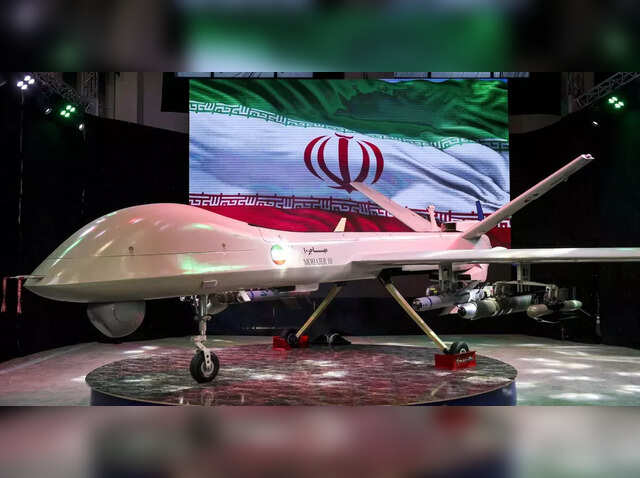
The Treasury alleges that Iranian-designed Mohajer-series UAVs have been rebranded and assembled in Venezuela as ANSU series aircraft, violating U.S. prohibitions on weapons proliferation.
Expanding to Missile Procurement
The sanctions also target Iran-based entities involved in procuring critical materials for ballistic missiles, such as:
-
Sodium perchlorate
-
Nitrocellulose
These components are essential for rocket propellants, expanding U.S. efforts to restrict Iran’s military supply chains.
U.S. Justification and Broader Strategy
U.S. officials, including Undersecretary John K. Hurley, stated the sanctions aim to counter the “aggressive and reckless proliferation of deadly weapons.” The move is part of a broader strategy to pressure both the Iranian and Venezuelan governments, disrupting revenue streams and military cooperation that Washington views as destabilizing.
Regional and Global Security Implications
The sanctions reflect deep U.S. concerns that Iran’s UAV and missile programs threaten Middle Eastern stability and, through partnerships with Venezuela, extend into the Western Hemisphere. By targeting financial networks, the U.S. aims to curb technology transfers and deter future weapons proliferation.
Impact and Enforcement
For the designated parties, the sanctions mean:
-
Blocked U.S. property and interests.
-
Prohibited transactions for U.S. persons without special licenses.
-
Restricted access to the global financial system, particularly for dollar-denominated transactions.
Violations can result in significant civil and criminal penalties.
Also Read: Ashoknagar Farmer Brutally Attacked in Robbery as Thieves Snatch ₹25 Lakh
Conclusion
This latest round of sanctions underscores the continued geopolitical confrontation between the U.S., Iran, and Venezuela. It highlights Washington’s use of economic tools to combat alleged weapons proliferation and attempts to sever military-technology links between adversarial states, signaling ongoing tensions in global security dynamics.
