

West Asia Crisis Enters Day 7: US-Israel Strikes Intensify in Iran as Regional Tensions Escalate
Tehran/Tel Aviv — The conflict in West Asia involving the United States, Israel and Iran entered its seventh day on Friday, with fresh airstrikes, missile attacks and growing fears of a wider regional war showing no signs of abating. Military activity has intensified across multiple fronts, while countries in the Gulf and surrounding regions remain on high alert amid escalating security concerns that threaten to engulf the entire area.
Heavy Strikes Continue in Iran
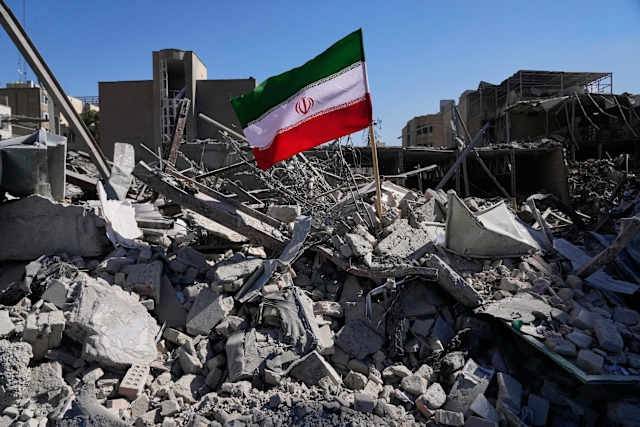
Israeli and American forces carried out a new round of strikes on Iranian targets overnight and early Friday, expanding their campaign. According to reports, several Iranian military sites were hit, including a military academy in Tehran that was reduced to rubble.
Israeli officials claimed their air force destroyed multiple ballistic missile launchers and advanced air-defense systems to prevent further attacks on Israeli territory, degrading Iran’s capabilities. The bombardment has caused extensive damage across Iran, with entire neighborhoods affected.
The Iranian Red Crescent reported that thousands of civilian structures have been affected by the ongoing strikes, including homes, commercial buildings and medical facilities. More than 3,000 residential buildings have reportedly been damaged during the attacks, leaving many homeless.
Casualties Mount
Casualties continue to rise as the conflict intensifies, painting a grim picture. Reports suggest that more than a thousand people have died in Iran since the war began, while deaths have also been recorded in Lebanon and Israel.
The human toll is climbing rapidly with no end in sight.
Iran Responds With Missiles and Drones
Iran has continued retaliatory attacks against Israel and U.S. interests in the region, demonstrating its ability to strike back. Iranian forces and allied groups have launched missiles and drones toward Israeli territory and several Gulf countries hosting U.S. military bases.
Air-defense systems in countries including Saudi Arabia and Jordan intercepted drones during the latest wave of attacks, preventing further destruction. Saudi authorities said their air defenses successfully shot down multiple drones east of Riyadh.
Iran’s Islamic Revolutionary Guard Corps (IRGC) warned that new weapons and military strategies could soon be deployed as the conflict continues, raising the stakes.
Fighting Expands Beyond Iran
The conflict is no longer limited to Iran and Israel, having expanded to multiple fronts. Israeli forces also conducted airstrikes on locations linked to Hezbollah in Lebanon, opening another theater of war.
Multiple explosions were reported in the southern suburbs of Beirut after Israel warned residents to evacuate targeted areas. Hospitals and nearby buildings were temporarily evacuated as a precaution during the strikes.
Meanwhile, Hezbollah claimed it had targeted Israeli military vehicles near the Lebanese border in response, promising further action.
Rising Civilian Toll
International organizations have raised alarm over the growing humanitarian impact of the war, which is affecting the most vulnerable. According to the United Nations children’s agency, nearly 200 children have been killed across the region since the latest escalation began, with most of the deaths reported in Iran.
Thousands of civilians have fled affected areas, particularly in Tehran, where continuous bombardment has triggered panic and large-scale displacement.
Political and Global Reactions
The conflict is also creating political tension worldwide, with governments divided on how to respond. In Washington, lawmakers debated limiting the president’s war powers but ultimately rejected a resolution that would have restricted military action against Iran.
Meanwhile, world leaders have warned that the war could destabilize the entire Middle East and potentially disrupt global energy supplies. The Strait of Hormuz — a crucial route for global oil shipments — has become a major concern as security risks rise.
Experts warn that prolonged fighting could impact global markets, trade routes and oil prices, increasing pressure on economies around the world.
A Region on Edge
As the war enters its second week, military activity shows no sign of slowing, with all sides dug in. Missile interceptions, drone attacks and airstrikes continue across multiple countries in the region.
With both sides signaling further escalation and new weapons possibly being deployed, the situation remains extremely volatile. Analysts fear that if more regional players become involved, the conflict could turn into one of the largest military confrontations in the Middle East in decades.
Also Read: YouTuber Attack Case: Second Suspect Killed in Ghaziabad Police Encounter Within 48 Hours
Conclusion
Day 7 of the West Asia crisis brings more death, more destruction, and no end in sight. As the war expands beyond Iran’s borders, the world watches with bated breath.
1,000 dead, 3,000 buildings destroyed, 200 children killed—and the conflict only deepens.
