

“Welcome, Modi!”: Israeli Media Highlights PM Modi’s Historic Two-Day Visit
Jerusalem, Israel — Prime Minister Narendra Modi’s arrival in Israel on Wednesday, February 25, 2026, has been met with warm welcome and extensive media attention — symbolised most clearly by his appearance on the front page of The Jerusalem Post, which splashed “Welcome, Modi” across its banner ahead of his state visit, signalling the importance both nations place on this diplomatic engagement. The prominent coverage reflects the growing diplomatic importance of the India-Israel relationship and underlines the strategic significance of this trip at a time of shifting global alignments.
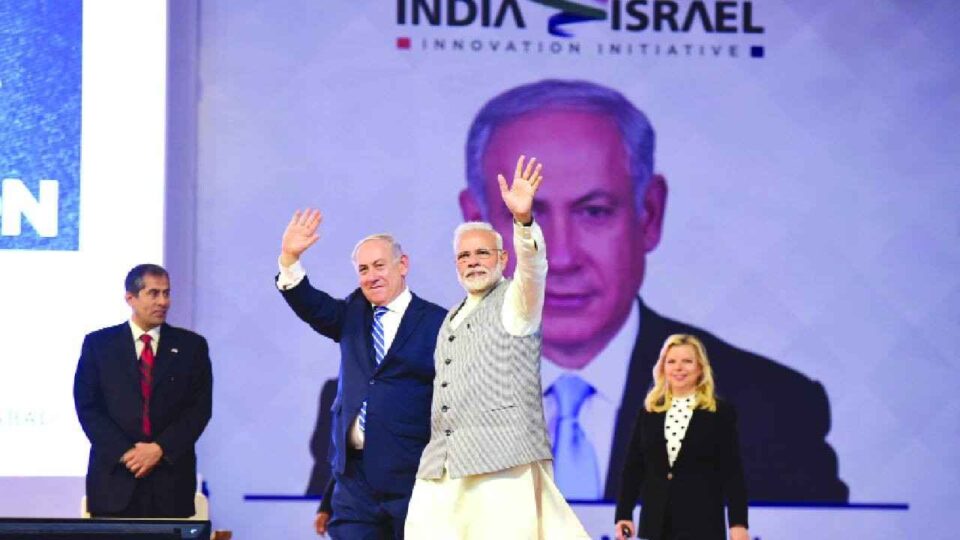
The special front-page feature — accompanied by a large photograph of Modi waving — highlights not only the personal greeting but also the broader story of strengthening ties between the two democracies that have found common ground across multiple domains. Other headlines hailed the “burgeoning partnership” between Delhi and Jerusalem, while editorial content emphasised historical context and future prospects for cooperation in an increasingly complex world.
Strengthening Strategic Ties
Modi’s visit is official and strategic in nature, marking his first trip to Israel since 2017 — a landmark year when he became the first Indian prime minister to visit the country, breaking new ground in bilateral relations. This second visit comes at a time of heightened global attention on geopolitical alignments, and both sides are aiming to elevate their relationship beyond established cooperation into new areas of mutual interest.
On his departure from New Delhi, Modi clearly articulated the purpose of the journey: to build on the “robust and multifaceted Strategic Partnership” India shares with Israel, a relationship that has grown steadily over decades. Defence, security, science, technology, agriculture and water management are among the areas expected to shape discussions during talks with Israeli leadership, reflecting the breadth of engagement.
Modi is also scheduled to meet Benjamin Netanyahu and Isaac Herzog, expanding cooperation across both governmental and people-to-people levels, with discussions expected to cover everything from counterterrorism to innovation partnerships. The personal rapport between leaders has historically played an important role in advancing bilateral ties.
One of the most historic aspects of this visit is Modi’s planned address to the Knesset, Israel’s parliament. If confirmed by the schedule, he will be the first Indian prime minister ever to address that body — a symbolic and diplomatic milestone that further underscores the growing depth of ties between the two nations and India’s standing in the region.
Beyond Politics: Broadening the Dialogue
While strategic partnership is at the heart of this trip, coverage in Israeli media highlights more than just defence cooperation, reflecting the comprehensive nature of the relationship. The Jerusalem Post’s special edition included features looking at economic collaboration, innovation, and India’s evolving foreign policy — sometimes referred to in coverage as the emerging “Modi doctrine” of fostering partnerships across diverse sectors amid shifting regional dynamics.
The coverage emphasised that India is not just a partner but a rising global power whose engagement with Israel carries weight far beyond bilateral terms.
The Indian ambassador to Israel was interviewed in the same newspaper, stressing aims to go beyond traditional arenas and build frameworks for broader engagement, including financial cooperation mechanisms and trade infrastructure that can support long-term growth. This reflects long-term ambitions to integrate bilateral relations into more substantive and sustainable partnerships that can weather geopolitical shifts.
Geopolitical Backdrop and Regional Context
Modi’s trip comes amid a complex geopolitical landscape in the Middle East, where security concerns and shifting alliances continue to influence diplomatic priorities and create both opportunities and challenges. Just days before the visit, tensions involving the United States, Iran, and regional stakeholders captured global headlines, with renewed naval deployments raising concerns about the wider security environment in the Gulf.
Analysts have noted that India’s engagement with Israel fits into a broader pattern of carefully calibrated foreign policy aimed at balancing strategic interests without formal alliance commitments, maintaining relationships across multiple stakeholders. India’s ability to engage with all parties in the region while advancing its own interests has been a hallmark of its diplomatic approach.
Within this context, Israel and India are expected to review and possibly upgrade existing defence cooperation agreements, as well as consider fresh initiatives in joint military technology and security frameworks that leverage both countries’ strengths. A planned renewal of a bilateral security pact during the visit would further institutionalise joint efforts in areas like cybersecurity, defence R&D, and technological innovation.
Public and Political Reactions
The warm reception in Israeli media comes alongside lively commentary back in India, where the visit has generated significant discussion about its implications. Political figures such as Priyanka Gandhi Vadra have called on Modi to use his platform to address wider humanitarian concerns while in Israel, particularly related to the situation in Gaza, highlighting how foreign policy can intersect with moral questions.
Gandhi urged Modi to mention the plight of civilians in conflict zones, a suggestion that reflects the diverse expectations Indians have of their leaders when they engage on the world stage. Such calls demonstrate that domestic audiences are watching foreign visits closely and evaluating them against humanitarian standards.
Despite differing perspectives, there is broad recognition among policymakers and analysts that this visit represents an important juncture in the India-Israel relationship — one that could chart the course for cooperation in years to come and set the tone for future engagement.
A Visit of Significance
Prime Minister Modi’s two-day state visit to Israel is unfolding as a moment of diplomatic symbolism and practical engagement, combining high-level meetings with cultural and historical elements. The high-profile coverage in Israeli media — headlined by statements like “Welcome, Modi” — captures the optimism and strategic intent behind the trip, reflecting genuine enthusiasm for stronger ties.
As discussions on defence, technology, trade and shared regional challenges continue, both countries appear poised to mark this visit as another milestone in a steadily deepening bilateral partnership that has transformed dramatically since full diplomatic relations were established in 1992.
What’s at Stake
For India, the relationship with Israel offers access to cutting-edge technology, defence systems, and innovation partnerships that complement its own development goals. For Israel, India represents a massive market, a strategic partner in Asia, and a voice in the Global South that aligns with many Israeli interests.
The visit will likely produce concrete outcomes in the form of agreements and MOUs, as well as the intangible benefits of strengthened personal relationships between leaders.
Conclusion
As PM Modi addresses the Knesset and meets with Israeli leadership, the “Welcome Modi” banner in Israel’s press captures the spirit of a relationship that has come far and still has room to grow.
Modi in Israel. Strategic ties deepen. A historic address awaits.
